If you cook at home every day, you already know how important cooking oil is. The taste of your food, the smell of your kitchen, and the overall quality of your dishes depend heavily on the oil you use. That is why many families prefer groundnut oil for daily cooking. It works well for frying, sautéing, and making curries.
But with so many brands claiming to offer the best oil, choosing the right one can feel confusing. This guide explains everything in simple words so you can confidently choose the best groundnut oil for cooking based on real kitchen experience, not marketing claims.
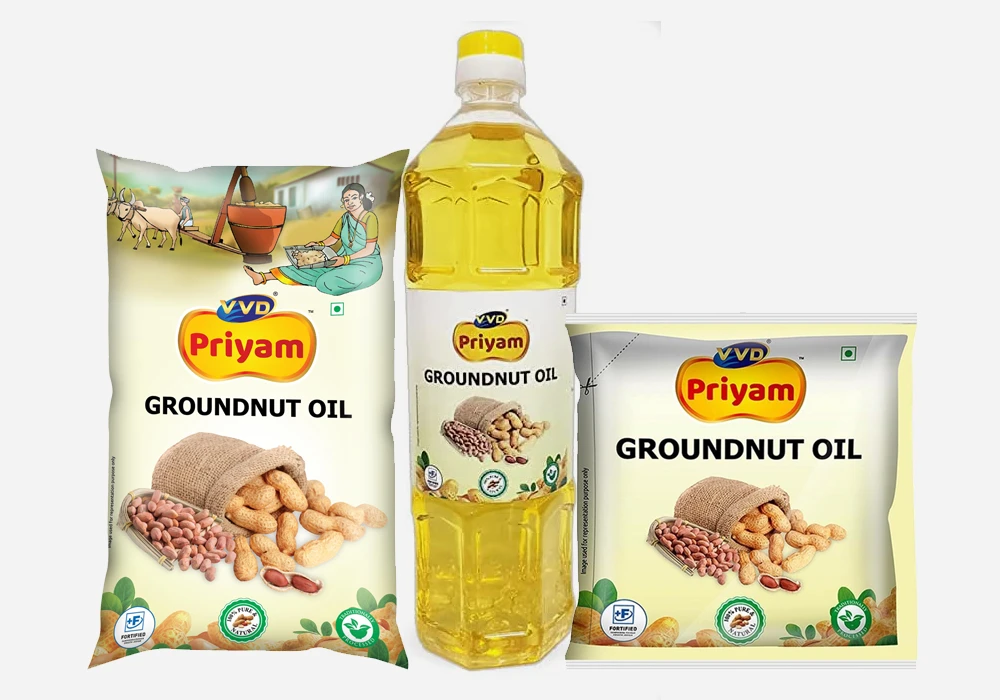
Buy VVD Priyam 100% Pure Chekku Groundnut Oil Online Now!!!
What are the Uses of Groundnut Oil in Everyday Cooking?
Groundnut oil for daily home meals
It fits easily into everyday cooking. You can use it for dosa, idli podi, chapati, sambar, poriyal, and curries. It does not overpower the taste of your food, which makes it a reliable option for regular meals.
Groundnut oil for different types of dishes
Whether you cook traditional Indian food or try modern recipes, groundnut oil supports both. It blends well with spices and helps bring out natural flavours, which is why many people feel food simply tastes better when cooked in good quality groundnut oil.
How to Select Oil Based on Cooking Method?
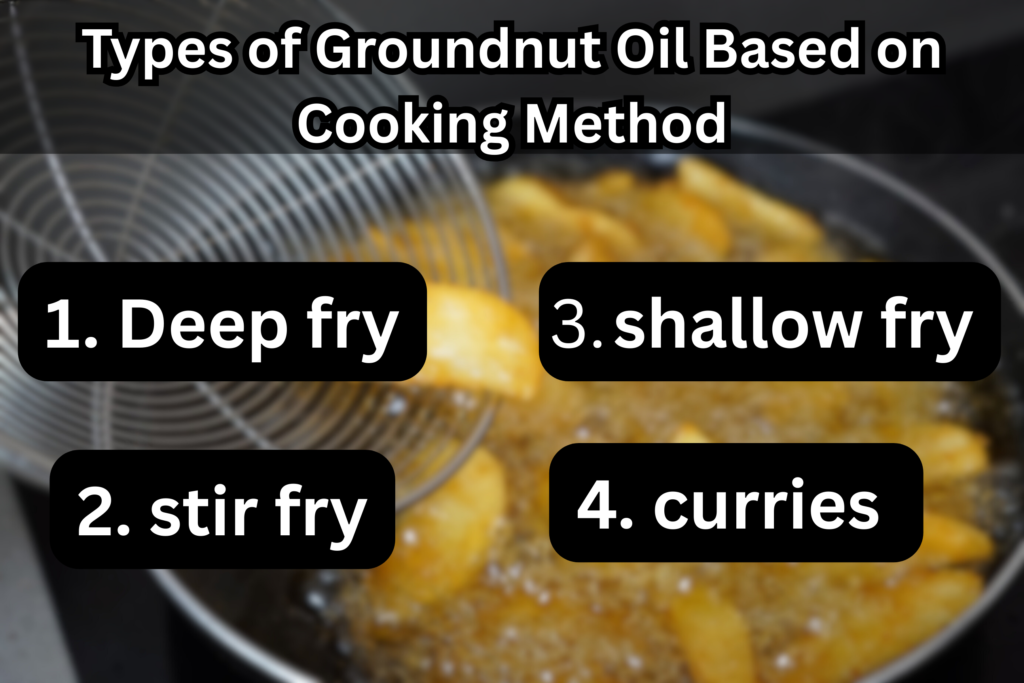
To select cooking oil, match its smoke point (high for frying, low for dressings) and flavor to the cooking method. Check the below table for more details:
| Cooking Method | How Groundnut Oil Helps |
|---|---|
| Deep Frying | Handles high heat well and keeps snacks like samosas, pakoras, bajjis, pooris, and chips crispy instead of oily. |
| Shallow Frying | Helps dosa, paratha, cutlets, omelettes, and pancakes cook evenly with a nice golden colour without burning quickly. |
| Sautéing & Stir Frying | Heats quickly, does not smoke too early, keeps vegetables fresh-looking, and helps spices release good aroma. |
| Tadka, Curries & Gravies | Supports proper crackling of mustard seeds, releases aroma from curry leaves, and allows spices to bloom without burning. |
How Does Groundnut Oil Perform Under Heat During Cooking?

Handles everyday cooking heat
You should be able to cook comfortably without worrying about oil burning too fast. The best groundnut oil stays stable on the stove and supports smooth cooking.
Does not smoke too early
If oil starts smoking heavily at normal heat, it is a sign of poor quality. Good oil should tolerate everyday cooking temperatures without creating strong smells.
Behaves the same every time
A reliable oil gives consistent results. Your food should not cook well one day and poorly the next using the same oil. Consistency is a strong sign of quality.
How Does Groundnut Oil Influence Food Flavor in Cooking?
Yes, peanut oil does influence food flavor in cooking, but the degree of influence depends heavily on whether the oil is refined or cold-pressed/gourmet.
Groundnut oil that lets food taste natural
Good oil should never dominate your dish. It should allow vegetables, spices, and ingredients to shine so your food tastes balanced and natural.
Groundnut oil that adds a mild nutty touch to traditional dishes
Some groundnut oils naturally add a gentle nutty aroma. This can enhance the taste of chutneys, podis, and traditional gravies, making food feel more authentic.
Groundnut oil that keeps your food taste consistent
When you use the best groundnut oil for cooking, your dishes taste good again and again. That consistency makes daily cooking more enjoyable.
How to Identify Good Quality Groundnut Oil?

Looks clean when you pour it
Pour some oil into a bowl and observe it. It should look clean and clear. Excessive cloudiness can be a warning sign.
Smells fresh and pleasant
Smell the oil before using it. Good oil smells mild and natural. A sharp or stale smell usually indicates poor quality.
Performs well while cooking
During cooking, good oil should not foam too much, food should not become overly greasy, and spices should cook smoothly. This is one of the best ways to judge quality.
Stays reliable over time
Quality oil should continue performing well even after several uses. The best groundnut oil remains dependable, not just when the bottle is newly opened.
What are the Nutrition Factors That Affect Cooking Experience?
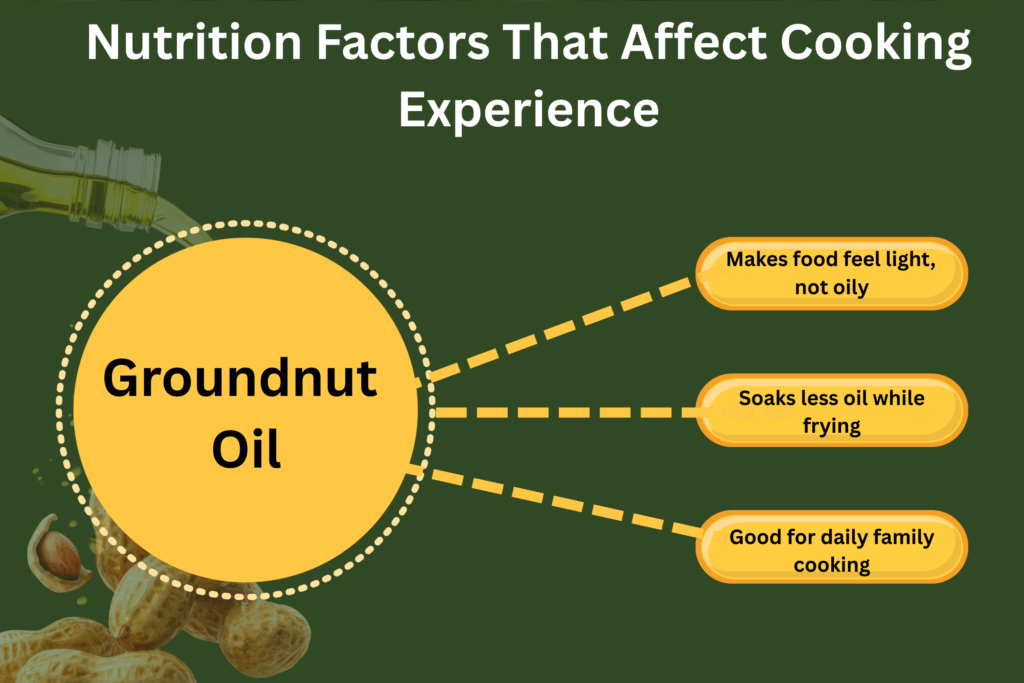
Groundnut oil that makes food feel lighter
Many families notice that food cooked in good quality oil feels lighter compared to food cooked in low quality oil. This improves overall meal comfort.
Groundnut oil that helps reduce excess oil absorption
When oil quality is good, fried foods absorb less oil. This keeps snacks crispy instead of greasy.
Groundnut oil that suits regular family meals
People looking for the best groundnut oil for cooking usually want something suitable for everyday use. Good quality oil supports regular cooking without discomfort.
What Are the Common Mistakes When Choosing Groundnut Oil?

Buying groundnut oil only because it is cheap
Very low-priced oils often compromise on quality. This usually shows up in poor taste and poor cooking performance.
Thinking all groundnut oils are the same
Not all groundnut oils perform equally. Quality can vary based on sourcing, processing, and freshness.
Ignoring freshness and storage
Oil that is stored too long loses its quality. Fresh oil always performs better in the kitchen.
Not paying attention to your own cooking experience
Your kitchen gives you the best feedback. If oil smokes too much, smells strange, or makes food greasy, it is a sign to reconsider your choice.
Conclusion
Choosing the best groundnut oil for cooking does not need to be complicated. When you focus on how oil behaves during frying, sautéing, tadka, and daily cooking, the right choice becomes clear.
Good groundnut oil should heat smoothly, support your recipes, enhance flavour, and give consistent results. By paying attention to performance, freshness, and real cooking experience, you can confidently choose an oil that truly improves your food and your overall cooking experience.
Buy VVD Priyam 100% Pure Chekku Groundnut Oil Online Now!!!